Electrical Training Institute Guide: Courses, Eligibility & Career Opportunities
Electricity is all around us. We use it in our homes and factories. Now, even cars and bikes run on it. Every year, vehicles are becoming more electronic. This means we need more people who understand electrical systems. Are you thinking of joining an electrical training institute? But not sure where to start? This guide will help you. It answers the questions students usually ask. And it explains everything in simple words.
What is an Electrical Training Institute?
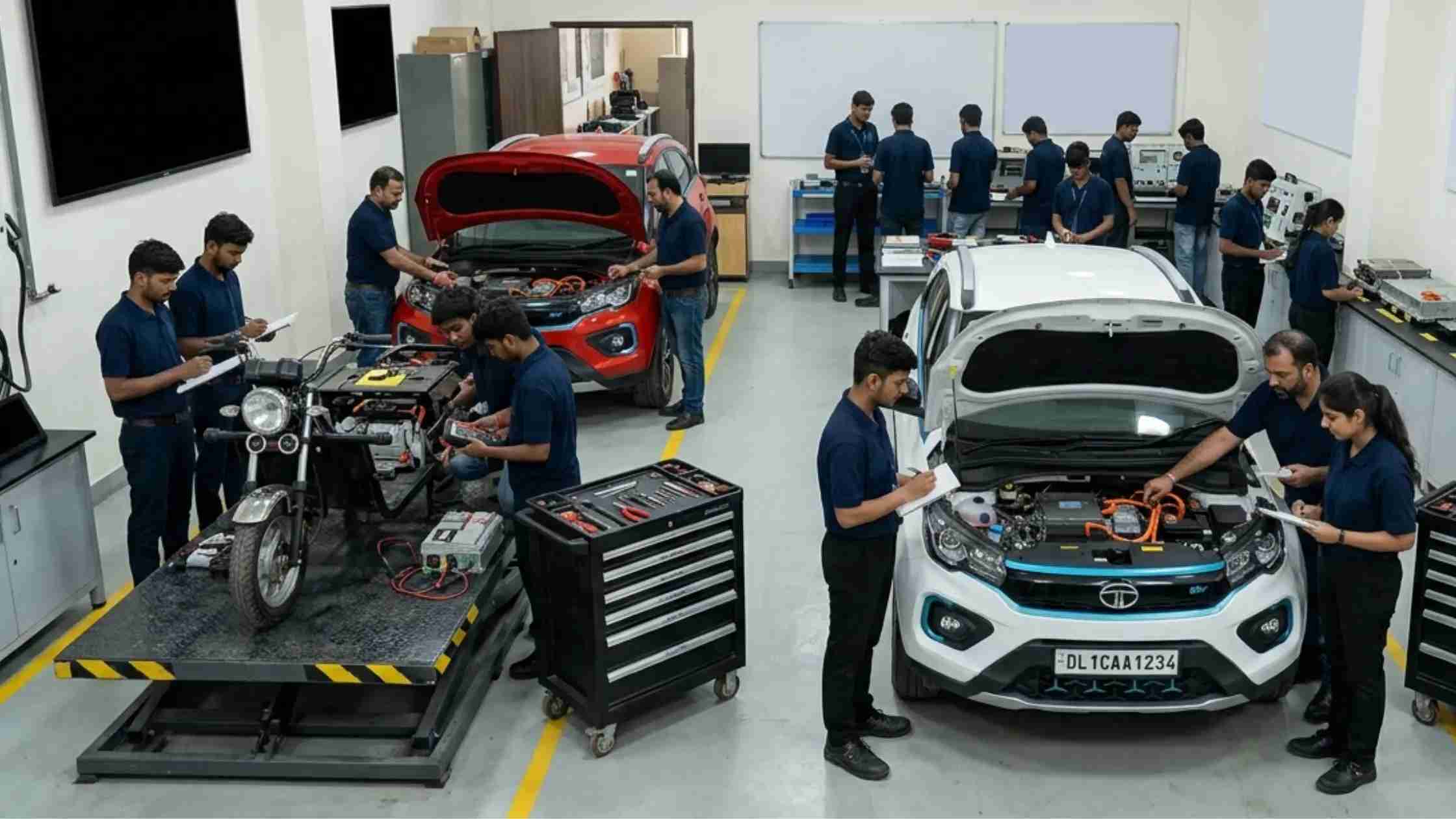
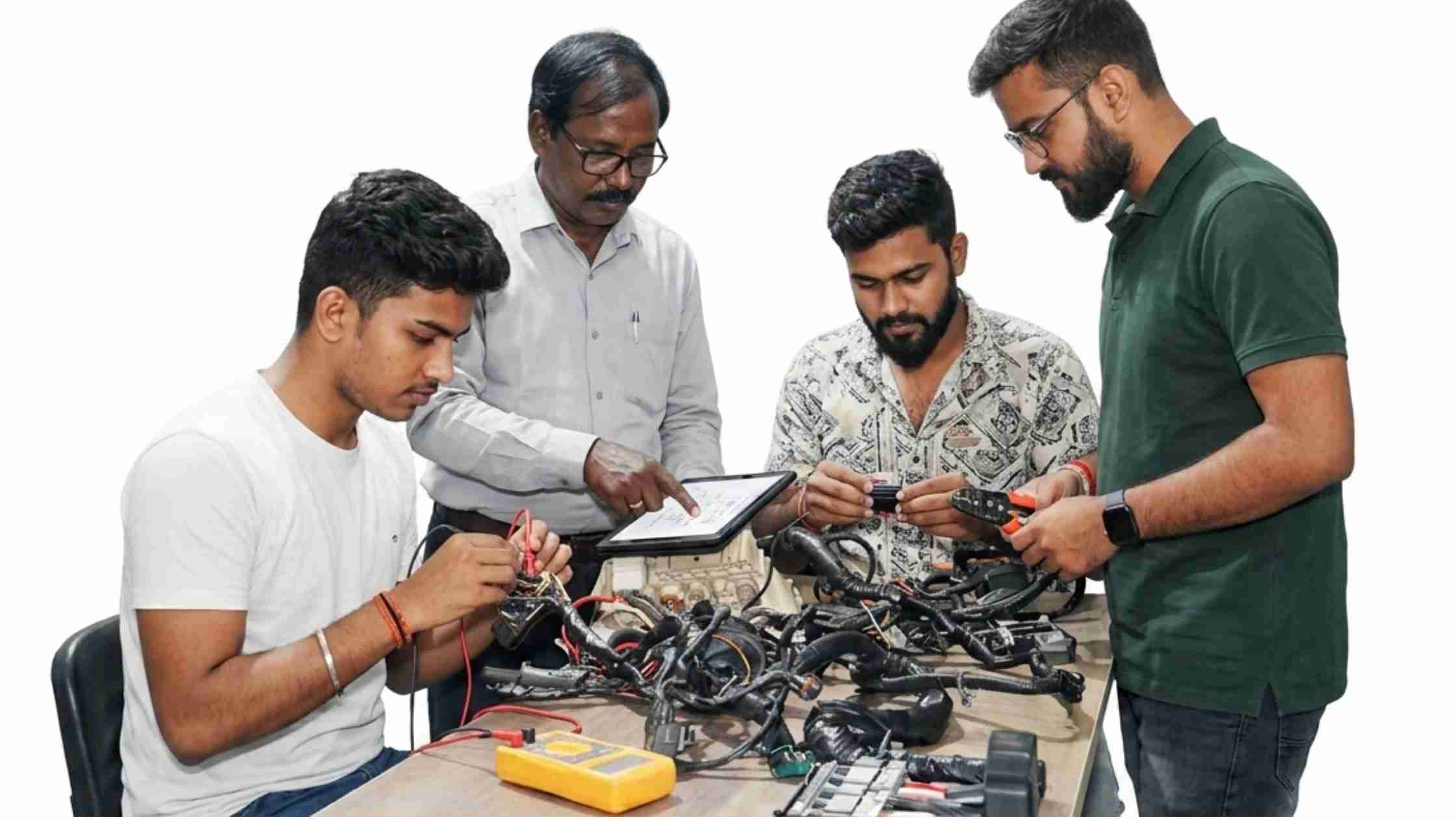
An electrical training institute is a special school. Here, students learn how electrical systems work. They learn how to test them. And they learn how to fix problems when something goes wrong. Training is not just theory. Students also get hands-on practice. They work with real wires, circuits, meters, and machines. This way, they don't just memorize things, they actually learn by doing. Some institutes teach general electrical work, used in homes and factories. Others focus only on vehicles. These are called automotive training academies. Here, students learn about sensors, wiring, ECUs, and diagnostic tools used in cars and bikes.
What Courses Are Offered at an Electrical Training Institute?
Which course you choose depends on one thing. What kind of electrical work do you want to do? Here are some common courses:
- Basic electrical and wiring courses
- Industrial electrician training
- Automotive electrical and ECM/ECU diagnostics training
- Sensor testing, multimeter, and oscilloscope operation courses
- Key coding and ECU programming modules
Don't worry if you're a complete beginner. Most institutes start with the basics first. You'll learn electrical theory, tools, and safety rules. Once you're ready, you move to advanced work. This includes diagnostic work on live vehicles or simulation boards.
What is the Eligibility Criteria for Electrical Training Courses?
The eligibility is simple. If you've passed Class 10 or 12, you can apply. You don't need any special background. Working mechanics can join too, if they want to upgrade their skills. ITI or diploma holders in electrical or mechanical trades can also apply. Even workshop owners join these courses, to expand their services. You don't need to know electronics before starting. Good institutes teach from the basics simple circuit reading and soldering first. Then, you move to advanced diagnostic topics. So even if you've never touched a multimeter, you can still join.
How Long Does Electrical Training Take to Complete?
It depends on the course you pick. Short courses, like a 3-month electrician course, take less time. These are good for students who want job-ready skills fast, without spending a whole year studying. Diploma programs take longer, usually six months to a year. They cover more topics, in more depth. Looking for a 3-month electrician course near me or a 3 month electrician course in Delhi? That usually means you want something quick and practical, not long and theory-heavy. This option is best if you want to start working soon.
What is the Fee Structure for Electrical Training Courses?
Electrical training institute Fee is not fixed. It depends on a few things. First, how long is the course? Second, how much practical training does it include? Third, does the institute give you equipment access, like oscilloscopes, multimeters, or live vehicles? Short courses usually cost less. Advanced courses, like ECU programming, cost more. This is because they need special tools and more instructor time. Some institutes also offer accommodation. This is for students coming from outside the city. It can add around ₹6,500 to ₹7,000 per month. Before you choose, compare what's included in the fee. Theory-only training looks cheaper. But hands-on, tool-based training is what employers actually want.
Is Electrical Training Institute Better Than ITI or Diploma?
It depends on your goal. An ITI or diploma gives you strong theory knowledge. It's also recognised for government job eligibility. A focused electrical training institute is different. It gives you faster, hands-on, job-specific skills. This is especially true for automotive or industrial training. Students searching for an electrician diploma course in Delhi often want both things together — a recognised diploma, plus practical training. Many students actually do both. First, they complete a diploma. Then, they join a specialised institute. This way, they get the hands-on skills that classroom study alone can't give.
What Career Opportunities Are Available After Electrical Training?
Once you finish training, many doors open up. Here are some career paths:
- Automotive electrician at dealerships and service centres
- ECM/ECU repair and diagnostic specialist
- Vehicle diagnostic technician
- Industrial or workshop electrician
- Workshop owner or entrepreneur
- Trainer or instructor at automotive institutes
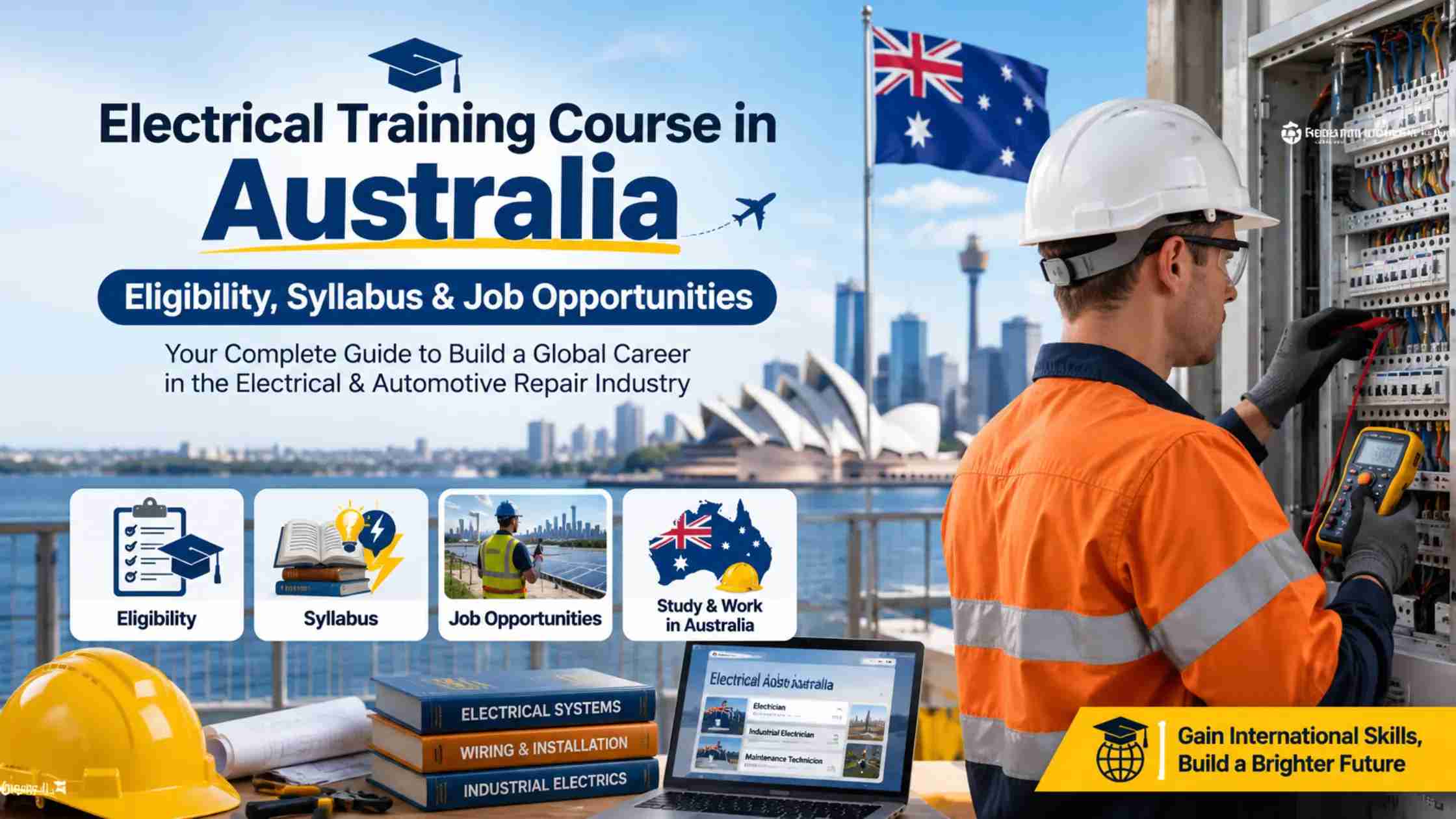
Skilled technicians are needed all over India. This demand is growing outside India too. Some technicians go to work in the Middle East. Others look at jobs in Australia. Why Australia? It has a strong demand for certified electricians. To work there, you need to meet their licensing rules. A good electrical training course can help with that.
Does an Electrical Training Institute Provide Placement Assistance?
Many good institutes help with placement. They connect you with dealerships, workshops, or service centres. If you want to start your own workshop, they can guide you with that too. But not every institute offers the same support. So before you enrol, ask a few things. Do they help with placements? What happened to past students? Do they have tie-ups with companies? These answers will tell you how much support you'll actually get.
What Skills Do You Learn in an Electrical Training Program?
A good training program teaches you two things - theory and hands-on skills. Here are the core skills you'll learn:
- Understanding sensor functions and how they work with control systems
- Using a multimeter to check voltage, resistance, and continuity
- Wiring diagnostics, finding faults and testing voltage drops
- Operating an oscilloscope to read electrical signals
- Key coding and ECU or module programming
These are real skills. Workshops and service centers look for exactly this. That's why hands-on practice matters so much, sometimes even more than classroom learning.
How to Choose the Best Electrical Training Institute Near You?
Searching for an electrical training institute near me? Here's what actually matters:
- Certification – Is the certificate government-approved and recognised?
- Practical exposure – How much time is spent on real equipment, not just theory?
- Faculty experience – Do instructors have real industry experience, not just classroom knowledge?
- Course duration and cost – Do the fees and timing fit your budget and goals?
- Placement support – What kind of help do they offer after the course ends?
- Institute history – Has the institute been around for a long time? This often means better training quality.
You might be comparing an electrical training institute in Delhi. Or looking across an electrical training institute in India. Or maybe just checking what's near your home. Whatever it is, take your time. Compare these points carefully. This matters more than picking the first name you see in a search.
Still not sure what to choose? Or want to know how automotive electrical training actually works? Feel free to reach out with your questions. We're happy to help you find the right next step.