Best Electrical Training Course in India – Fees, Duration & Advance Learning
If you want to build a career in the electrical field, picking the right electrical training course in India is the first big step. This guide answers the questions people ask most often, like fees, duration, eligibility, and career scope, so you can decide with full confidence.
What is an electrical training course, and who should join it?
An electrical training course teaches you how to work with wiring, circuits, machines, and other electrical systems. You learn the theory first, then practice it with your own hands, so you understand how things work and how to fix them when they break.
This course is good for students after class 10 or 12, ITI diploma holders, working electricians who want to learn new skills, and even people who want to start their own electrical business one day. If you like working with tools and want a job that is always in demand, this course is a great place to start.
What are the eligibility criteria for electrical training courses in India?
Eligibility depends on which course level you pick:
- Basic courses: Anyone who has passed class 10 can join.
- Diploma courses: You usually need class 12 with science subjects, though some institutes also accept class 10 pass students.
- Advanced or specialized courses: You often need a diploma or an ITI certificate first.
Most institutes don't ask for high marks. What matters more is your interest in hands-on work. This is why an electrical training course in India is open to students from all kinds of backgrounds. No matter which level you choose, this course rarely turns away a student who truly wants to learn.
What is the duration of electrical training courses in India?
Course duration depends on how deep the program goes:
- Short-term courses: 1 to 3 months. Good for learning basic skills like house wiring or panel work.
- Certificate courses: 3 to 6 months. Cover more topics along with hands-on training.
- Diploma courses: 1 to 2 years. Give you deeper knowledge and real industry exposure.
If you're new to this field, start with a shorter course. It lets you test your interest before you commit to a longer diploma program.
How much does an electrical training course cost in India?
Fees depend on the institute, course length, and location. Here's a rough idea:
- Short-term courses: ₹3,000 to ₹15,000
- Certificate courses: ₹10,000 to ₹30,000
- Diploma courses: ₹25,000 to ₹100,000, depending on how good the institute is and what facilities it offers
Government ITIs usually cost less than private institutes. Before you join, compare the fees, but also check what you actually get, like study material, practical sessions, and help finding a job after the course. A cheap electrical training course in India isn't always a good deal if it skips the hands-on training.
What are the best electrical training institutes in India?
India offers both government and private options for electrical training:
- Government ITIs (Industrial Training Institutes): Low cost, recognized across the country, and available in almost every state.
- Private technical institutes: Often have flexible timings and better lab equipment, but they cost more.
- Polytechnic colleges: Good if you want a formal diploma along with electrical skills.
- Online and hybrid platforms: Useful for learning the theory part, but electrical work still needs in-person, hands-on practice.
When you pick an institute, check if it's government-recognized, what kind of lab equipment it has, and whether it helps you find a job after the course. These things matter far more than just the institute's name.
What topics are covered in a standard electrical training curriculum?
A typical course covers:
- Basics of electricity, voltage, current, and resistance
- House wiring and safety practices
- Motors, transformers, and generators
- Electrical circuits and control panels
- Tools like multimeters and testers
- Industrial wiring and machine maintenance
- Safety codes and government rules
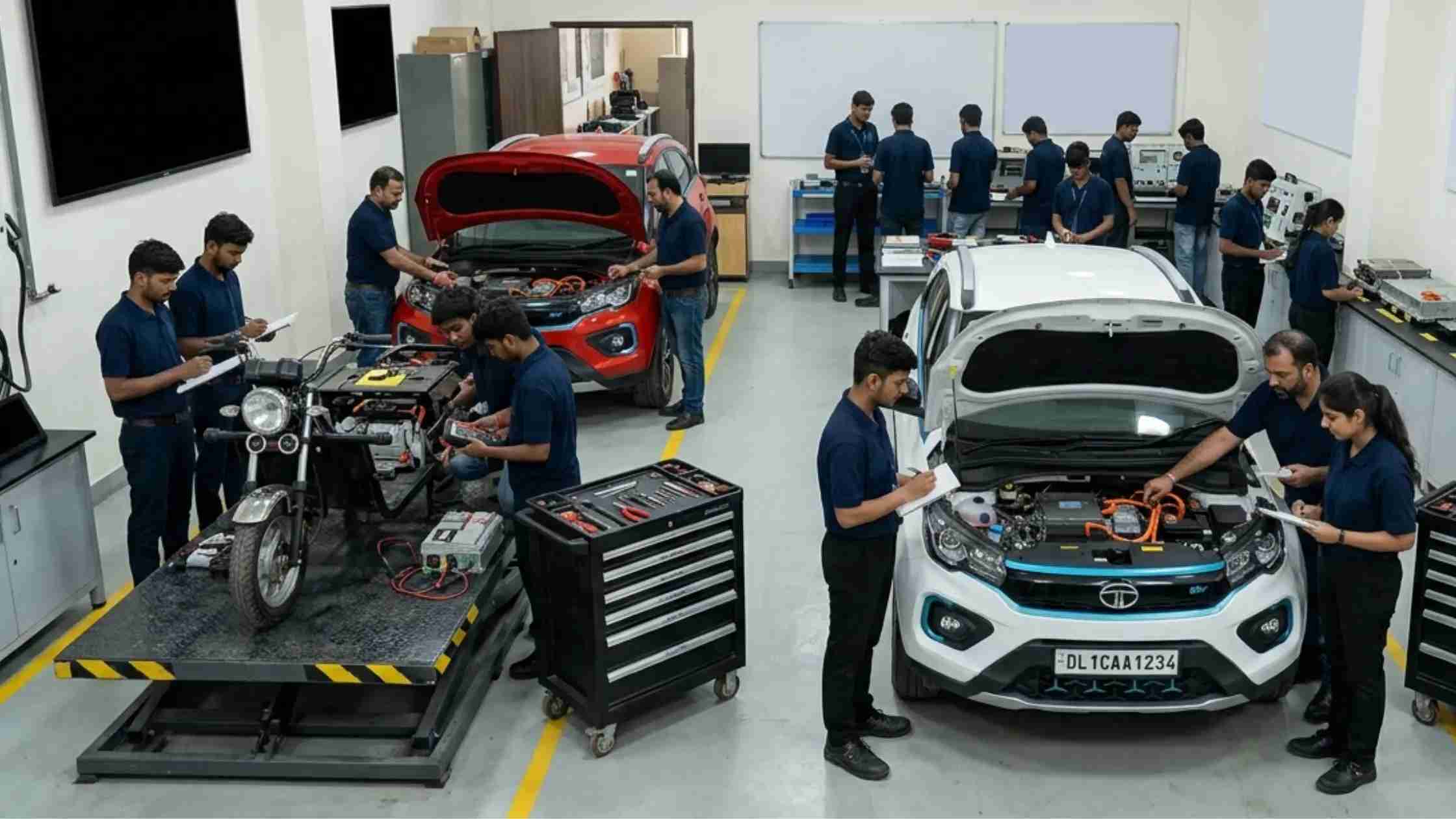
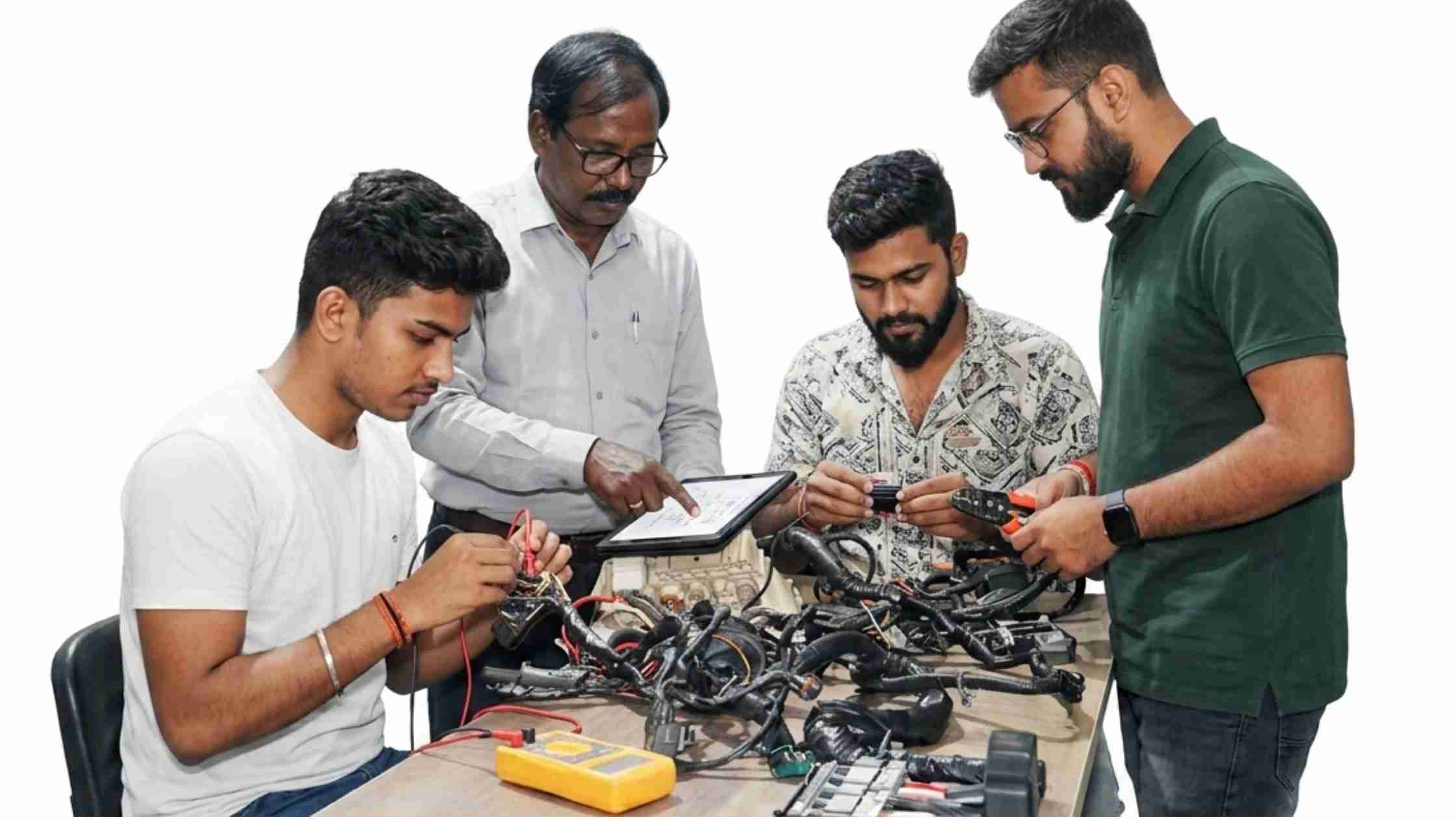
Good institutes mix classroom teaching with real lab practice, so students get comfortable handling live wiring and equipment before the course ends. This balance of theory and hands-on work is what makes a good electrical training course in India actually useful once you step into a real job.
What advance learning options are available after a basic electrical course?
Once you finish a basic course, you can move on to:
- Industrial electrical training: Covers heavy machinery and factory-level systems.
- Solar and renewable energy courses: A field that's growing fast in India.
- Electrical automation and PLC training: Useful for jobs in modern manufacturing.
- Advanced diploma or degree programs: Take you deeper into electrical engineering.
Advanced learning helps you specialize and often leads to better-paying jobs. Many students start with a short course first, then later join an advanced electrical training course in India to push their career further.
Is certification available after completing an electrical training course?
Yes, most institutes give you a certificate once you finish the course. Government ITIs give a National Trade Certificate (NTC), which is recognized all over India for both government and private jobs. Private institutes usually give their own certificate, and this can still help you when you apply to companies that care more about your actual skill than a formal certificate.
If you want a government job or want to work abroad, pick a course that gives a government-recognized certificate. It adds more weight to your resume than a private-only certificate does. A certified electrical training course in India always holds more value when you apply for jobs.
What are the job and salary prospects after an electrical training course?
Electricians and technicians are needed almost everywhere, from homes and offices to factories and construction sites. Common job roles include:
- Electrician in homes or commercial buildings
- Maintenance technician in factories
- Electrical panel operator
- Solar panel installer and technician
- Self-employed electrical contractor
Freshers usually start with a salary between ₹12,000 and ₹20,000 per month, and this can grow to ₹30,000 or more as you gain experience and pick up new skills. Electricians who take advanced training often earn even more, especially in industrial or solar energy jobs.
How do you choose the right training course for your career goals?
Before you enroll, ask yourself these questions:
- Do you want a short skill-building course or a full diploma?
- Is the institute government-recognized or private?
- Does the course give you enough hands-on practice, not just theory?
- Does it help you find a job after you finish?
- Can you afford the fees, or is there an EMI option?
Pick a course that matches your goal, whether that's getting a quick job, earning a government certificate, or building long-term skills. This one choice makes the biggest difference in how useful your training turns out to be.
One More Thing
Choosing the right course takes a bit of research, but it's worth the effort. Whether you're a student just starting out or a working professional looking to learn new skills, the right electrical training course in India can open doors to stable, well-paying jobs across the country and beyond.